Health and Safety Policy — Commercial Waste Kentish Town
 Commercial Waste Kentish Town is committed to maintaining the highest standards of health and safety for employees, contractors, clients and the public. This policy sets out the responsibilities, controls and procedures that govern our waste collection, disposal and recycling operations in our rubbish company service area. It applies to all work activities, including on-site sorting, vehicle loading, street-level collection and transfer station operations.
Our aim is to prevent accidents and work-related ill health by identifying hazards, performing risk assessments and implementing proportionate controls. Employees will receive induction and ongoing training relevant to their role, and supervisors are required to ensure that safe systems of work are in place. Personal protective equipment (PPE) such as high-visibility clothing, gloves and safety footwear must be used where risks cannot be eliminated.
 All staff and contractors must follow safe manual handling practices and use mechanical aids where available. The rubbish collection Kentish Town teams will adhere to vehicle loading limits and segregation rules to reduce manual lifting and exposure to sharps or hazardous materials. Procedures for reporting incidents, near misses and defects in equipment are mandatory and will be acted on without delay.
Risk assessments will be documented and reviewed regularly or when processes change. Key hazards identified for our commercial waste services include: contamination of loads, traffic interactions during collections, airborne dust and biohazards, slips/trips/falls, and noise exposure. Controls include route planning, segregation protocols, traffic management, and clearly marked exclusion zones at collection points.
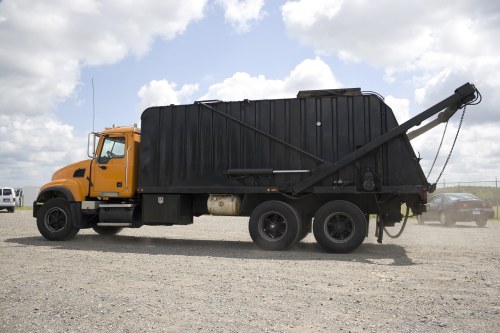
 Vehicle safety is central to our policy. All vehicles used by the rubbish removal service area will be maintained to manufacturer standards, inspected daily, and operated by trained drivers only. Loading bays and tail-lift operations require spotters and two-person checks when handling bulky or unstable items. Lockout/tagout procedures are applied during maintenance to prevent accidental start-up of machinery.
Emergency preparedness covers fire, spillage, medical emergencies and vehicle incidents. Each depot and mobile crew carries appropriate spill kits, first aid supplies and communication equipment. Staff will be trained in emergency procedures and evacuation routes, with regular drills conducted to ensure readiness.
Supervision and competence are critical. Managers are accountable for ensuring that everyone under their control has the necessary training, instruction and supervision. Performance monitoring includes safety inspections, audible toolbox talks and periodic audits of the rubbish company service area activities. Corrective actions will be tracked to closure.
 Contractor management requires that third parties engaged for specialised waste handling demonstrate equivalent health and safety standards. Contracts will include specific clauses about permit-to-work systems, hazardous waste handling and confined space entry where applicable. Verification of qualifications, insurance and method statements is mandatory before work commences.
 The policy promotes a culture of continuous improvement. Regular review meetings will assess incident trends, review regulatory updates and identify opportunities to reduce risks further. Consultation with employees and safety representatives is encouraged, and suggestions for safer ways of working are actively considered. Failure to comply with safety requirements may result in disciplinary measures.
Duties and Responsibilities
The following outlines principal duties across the organisation:
- Senior Management: Provide leadership, adequate resources and ensure the policy is implemented.
- Supervisors: Maintain safe systems, conduct risk assessments and ensure staff competence.
- Employees: Follow instructions, use PPE, report hazards and participate in training.
- Contractors: Comply with site-specific rules and submit required safety documentation.
Monitoring and Review
The policy will be reviewed at least annually or following a significant incident, change in legislation or operational change. Records of training, inspections and incident investigations will be retained to demonstrate compliance and to aid continuous improvement.Implementation of this health and safety policy is a condition of employment and engagement. It reinforces our commitment to safe, reliable and professional commercial waste operations across the service area. By embedding safe working practices into daily routines, the company protects people, preserves the environment and maintains a high standard of service.
