Commercial Waste in Kentish Town
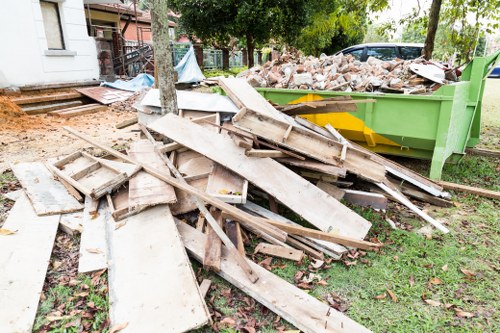
Commercial waste in Kentish Town needs a service that is organised, careful and straightforward for day-to-day business routines. We handle mixed business waste removal for offices, shops, workshops, hospitality spaces and other commercial premises, with collection arranged around the type of material, access and the volume involved. The aim is simple: keep waste moving out of the way without creating avoidable disruption for staff, customers or neighbours.
Our work covers recurring commercial rubbish, one-off clearances and items that need separating before disposal. That can include packaging, office furniture, shop fittings, light fixtures, general refuse and other non-hazardous material that businesses need taken away responsibly. For more specific information about scope and methods, see our business waste removal page, which sets out the kind of work this service is designed to support.
For a clear price and a practical plan, send us a short description of what needs removing. If you already know the type of waste, rough amount and access arrangement, it becomes easier to match the collection to the job and keep the process efficient from the start.
What our commercial waste service covers
The service is built around typical business waste rather than a fixed one-size approach. Some clients need a regular clear-out of bagged rubbish and packaging; others need a tidier solution for bulky items after an office rearrangement or a stockroom refresh. We can deal with a single item, several loads of mixed material or a larger commercial clearance where different waste streams need sorting before removal. The emphasis is on safe handling and a sensible route to disposal.
In practical terms, that means identifying what can be taken together and what may need separating first. Commercial waste often includes cardboard, plastic film, shelving, damaged fixtures, outdated displays and office items that are no longer needed. Where furniture or appliances are involved, a more specific route may be suitable, such as furniture clearance or fridge and appliance removal. Choosing the right service helps avoid confusion and keeps the collection focused on the material in front of you.
Because businesses work to different schedules, collections also need to fit the site. Narrow entrances, upper floors, loading bays and shared access all affect how the waste is moved. Good planning starts with knowing what is present, how it is stored and whether anything needs to be broken down first. That keeps the work practical and reduces the chance of delays once the collection begins.
Office waste, desks and workplace clear-outs
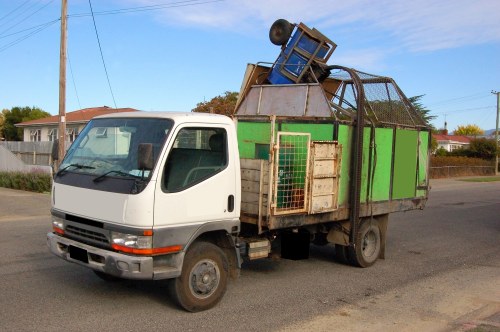
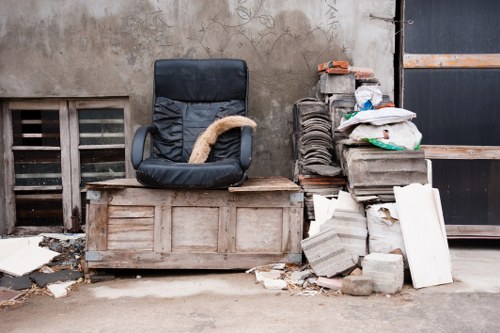
Office waste removal is often about restoring usable space after a tidy-up, relocation or equipment change. Typical items include chairs, desks, pedestals, monitors, broken accessories, archive boxes and mixed rubbish from cupboards or communal areas. If the work is mainly focused on business premises, our office clearance page explains a more structured option for furniture, fixtures and general contents taken from workplace environments.
Some office jobs are simple and some need more sorting. Paper waste may be separated from general refuse, and confidential records may need a different handling approach to ordinary office rubbish. For documents that are not to be kept in the workplace, confidential shredding is the more appropriate route. Keeping these strands separate helps maintain order and makes disposal easier to manage.
Useful details for an office collection are usually the number of items, whether anything is too heavy for stairs, and whether access is through a reception, yard or service entrance. If you can group obvious categories together beforehand, the visit tends to run more smoothly. A short list is often enough:
- office furniture and loose fixtures
- paper, cartons and mixed rubbish
- equipment that is ready for removal
- anything that needs a separate disposal route
Shop, trade and mixed business waste
Retail units, studios and trade premises often produce waste that is a mixture of packaging, damaged stock, display material and everyday refuse. Rather than treating everything as the same, a commercial waste collection can be organised around the actual contents on site. That may include bagged waste from the front of house, dismantled units from the back, and bulky offcuts or surplus materials that should not stay on the premises any longer than necessary.
Where waste is mainly composed of household-style items from a commercial address, a different clearance route may be more suitable, such as flat clearance or home clearance if the work relates to domestic contents rather than business operations. The point is not to overcomplicate the job, but to match the collection to the actual material so that disposal stays orderly and honest.
For businesses that are clearing out stored stock, damaged display units or redundant fittings, the main decision is usually whether the material can be removed in one visit or should be split into more than one load. A clear description of what is present, and what must stay, is usually enough to shape the collection. When the job is specific, a focused plan is better than a broad promise.
Bulky items, fixtures and dismantling
Some commercial waste jobs are not about bags of rubbish at all, but about awkward objects that need lifting, carrying and possibly breaking down first. Shelving, counters, cabinets, tables, reception items and other large fittings can often be removed once they have been freed from fixings and separated into manageable sections. That kind of work is different from simple bag collection because the removal itself becomes part of the task.
When a site includes old household-style furniture or larger loose items, furniture disposal is a sensible option for items that are no longer wanted but still need lawful handling. If the bulky waste is from a domestic setting rather than a workplace, a dedicated house clearance service may fit better. The right choice depends on where the items are, what they are made of and how they need to be moved.
Not every job needs dismantling, but it is useful to know in advance when an item will not fit through a doorway or down a stairwell intact. In those cases, a collection can often be planned around tools, fixings and access, so the removal is carried out in a controlled way rather than as an improvised last step. That saves time and helps protect the site.
About Kentish Town
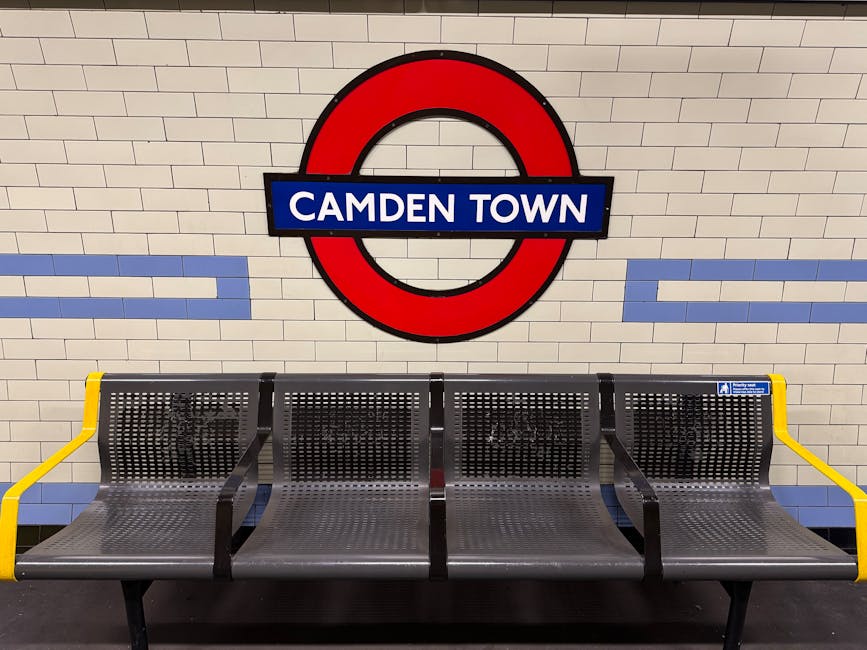
Kentish Town is a district in the London Borough of Camden, north of the traditional West End and close to several well-known parts of inner north London. Its name appears in records from the medieval period, and over time the area developed from a rural settlement into a built-up urban neighbourhood shaped by transport, housing growth and local trade. Today it is known for a varied streetscape that includes terraces, mansion blocks, converted industrial buildings and a mix of commercial frontages along the main roads. Kentish Town Road remains one of the area’s best-known thoroughfares, linking local movement to wider routes across Camden and towards neighbouring districts. The neighbourhood also sits within easy reach of Hampstead Heath to the west, a large open space whose slopes and ponds provide a strong contrast to the denser urban grain around it. Gospel Oak lies nearby, while Camden Town is to the south, and the area is tied into London’s transport network by Kentish Town station on the Thameslink route and the Underground station on the Northern line. Local landmarks and institutions add to the character of the place: the Forum, a long-established live music venue, is one of the better-known cultural addresses, and St Pancras New Church and other historic buildings in the wider district reflect the architectural layering that gives this part of London its sense of depth. Markets, pubs, independent shops and community spaces contribute to a lived-in local atmosphere rather than a polished commercial centre, and the area’s streets show a balance between residential use and everyday trading activity.
Waste streams, recycling and disposal routes
Different waste streams need different decisions, especially where a commercial site produces more than one kind of material. Cardboard, timber, metal, plastics and ordinary mixed refuse are often best handled separately where possible, because that makes sorting and disposal clearer. Some items may also be suitable for re-use or specialist processing, while others are only appropriate for disposal. A sensible collection service should recognise those differences rather than treating all waste as interchangeable.
For business owners who want a better understanding of what happens after collection, the recycling and sustainability page explains the broader approach to handling recoverable material. If there are items that should never be included in a general load, such as certain difficult or controlled substances, the relevant route is usually more specific; our hazardous waste disposal page is the place to review that kind of issue before anything is moved.
Good disposal planning usually starts with a simple question: what is this waste made of, and does any part of it need separate treatment? That keeps the job grounded in the real contents rather than in assumptions. It also helps businesses avoid mixing material that should be handled differently, which is especially useful on busy sites where waste accumulates in stages.
Pricing factors and quotation details
Pricing for commercial waste removal normally depends on the amount to be taken, the type of material, access to the property and whether labour is needed to dismantle or carry items from difficult locations. A collection from a ground-floor store room is not the same as a clear-out from an upper office with narrow stairs, and the method of removal can influence the time and effort involved. That is why an accurate description is more useful than a rough guess.
Our pricing and quotes page gives a general route for understanding how a quotation is put together. In many cases, a few basic points are enough to prepare one: the waste type, the approximate volume, any heavy objects, and whether access is straightforward or restricted. If the material is already separated, it becomes easier to assess the work clearly and avoid unnecessary back-and-forth.
For a quick and practical quotation, tell us what needs removing and when access is available. If there are several areas on site, describe them in order of priority. Clear information helps turn the enquiry into a workable plan rather than a vague estimate, which is better for both scheduling and final agreement.
Site access, timing and preparation
Commercial sites vary widely, so access is often one of the most important parts of planning a waste collection. A rear alley, a loading bay, a shared corridor or a front-of-house entrance can each affect how the waste is moved and where it can be loaded. Knowing these details in advance helps the collection proceed in a logical order and avoids awkward surprises once the team arrives.
There are a few practical steps that can make the process easier without turning it into a long preparation exercise. Keep the waste in one place where possible, separate anything that must stay on site, and identify any items that may be too large to move intact. If there are operating hours to work around, mention them when requesting the job. That is often enough to keep the collection aligned with how the premises are used.
Where a business needs repeated removals rather than a single clear-out, it can help to agree the likely pattern of waste in advance and choose the right service level. If you are ready to arrange the next step, contact us for a quotation and we can discuss the most suitable collection for your premises.
Supporting removals for larger clear-outs
Some commercial waste jobs are part of a broader property clearance rather than a simple rubbish collection. That can happen when a lease ends, a storage area is being emptied or a business is replacing a large amount of content at once. In those situations, the collection may include a mix of furniture, loose equipment, packaging, domestic-style items and general waste that all need a sensible order of removal. A broader clearance route can be more suitable than a narrow waste-only arrangement.
Where the project extends beyond ordinary business rubbish, related pages such as garage clearance and loft clearance may be relevant if the material comes from stored areas rather than from the active workspace itself. If the work is mainly a larger household clear-out linked to domestic premises, then home clearance or house clearance may be a better fit. Selecting the right service avoids confusion about what is included.
The practical value of a wider clearance is that it brings together items that would otherwise need several separate arrangements. That can be useful where a business is reorganising stored material, preparing a room for new use or dealing with accumulated clutter that has built up over time. A measured approach keeps the work manageable.
Book a commercial waste quotation
Commercial waste in Kentish Town is easiest to manage when the job is described clearly and the collection route matches the material on site. Whether you need an office cleared, bulky fittings taken away or mixed business waste removed from a back room or stock area, we can shape the service around the actual contents rather than forcing the job into a fixed template. That gives you a clearer outcome and a cleaner site.
To help us prepare an accurate quotation, include the waste type, approximate quantity, access details and anything that needs to be kept separate. If you already know whether the work is a one-off collection or part of a bigger clear-out, mention that as well. A concise enquiry is enough to begin, and it helps set the scope before the collection is arranged.
For the next step, send us the details and request a quotation today. If your waste includes specialist items, document removal or larger fittings, mention those too so the right service can be matched to the job from the outset.